Learn to really read Japanese.
Meet each word through its writing, reading, meaning, image, and a useful sentence before recall begins. Then bring it back for review before you forget.
Start today’s sessionBuilt from a learner’s wish list
I couldn’t find a conjugation explanation that made the whole system visible, flashcards that taught a word before testing it, or a comfortable way to rehearse everyday conversations. So I’m building the tools I wanted to use.
Four ways in
Meet each word through its writing, reading, meaning, image, and a useful sentence before recall begins. Then bring it back for review before you forget.
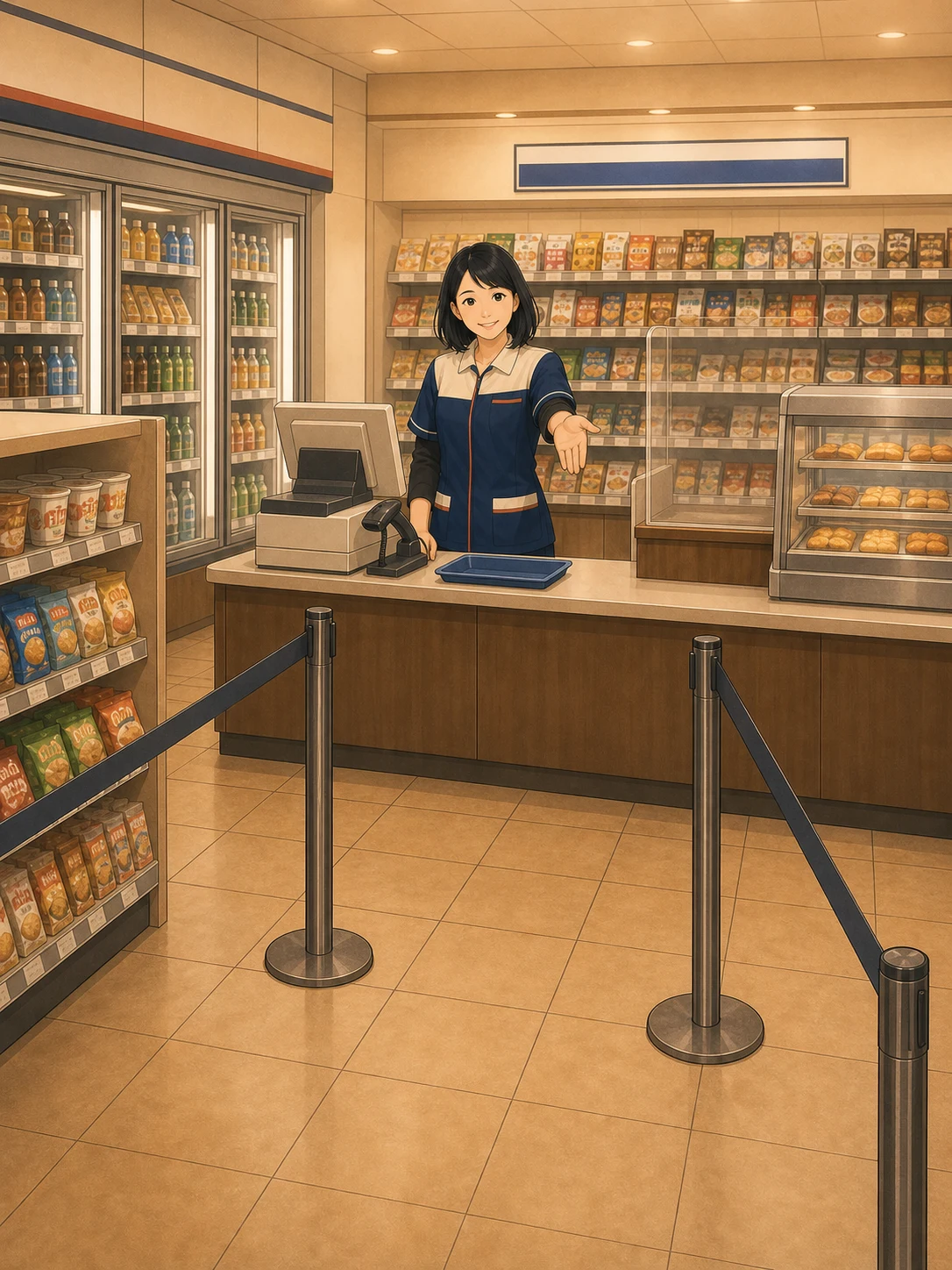
Start today’s sessionStep into a guided restaurant or konbini scene, listen to natural Japanese, choose what to say, and replay every phrase until it feels familiar.
Choose a scenarioChoose a verb, form, and politeness level. The ending, reading, example sentence, and meaning update together so the pattern is visible instead of buried in a chart.
Open the workbenchEvery word you’re learning in one place — readings, meanings, pronunciations, and example sentences — without touching your review schedule.
Browse the wordsBuilt around the gaps
A useful learning tool is more than a scheduler or a polished card. Its pieces need to support one another.
The learning science
Every new word begins with its writing, meaning, image, and a useful sentence. Recall starts after you have something meaningful to remember.
You recall each word from memory instead of rereading it — the act that research shows builds durable learning.
Reviews return just before you’d forget, and the interval stretches every time you succeed.
Every attempt is revealed and checked on the spot, so a miss becomes another chance to learn — not a hidden gap.